
You do not need a shelf full of books to begin studying the Bible. Most beginners who buy multiple resources at once end up reading none of them. Start with one or two resources that help you understand the big story — what the Bible is, how it holds together, and where to begin reading. Everything else can come later.
This guide separates the best Bible study books from the best Bible study resources, because they serve different purposes. Books give you interpretive frameworks and theological depth. Resources — apps, websites, communities — give you structure, accountability, and daily access. Most beginners need both, but they need to choose carefully.
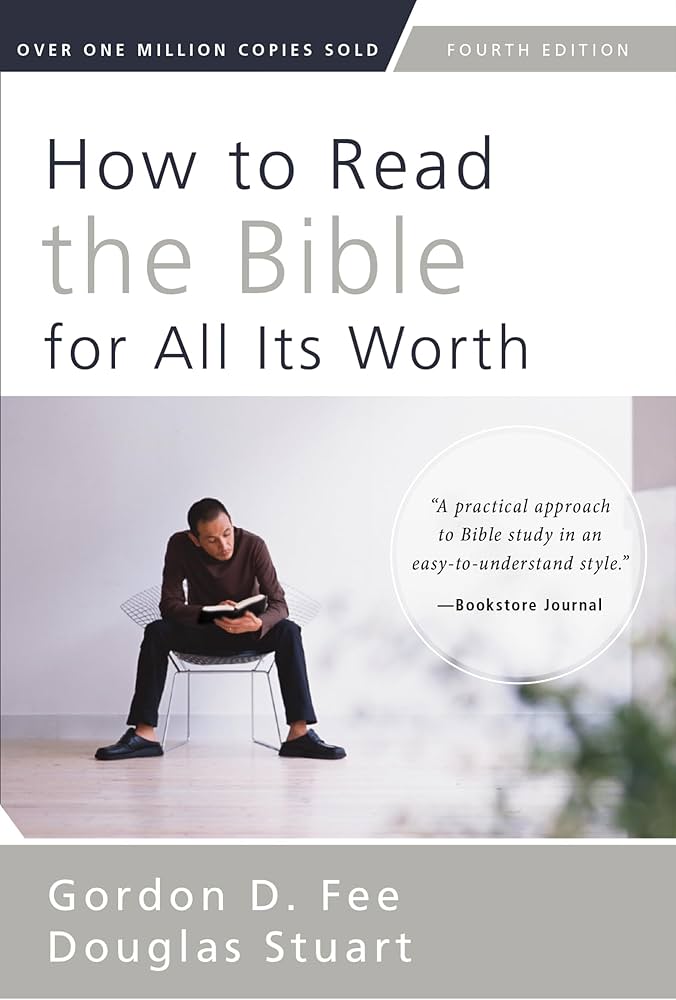
How to Read the Bible for All Its Worth
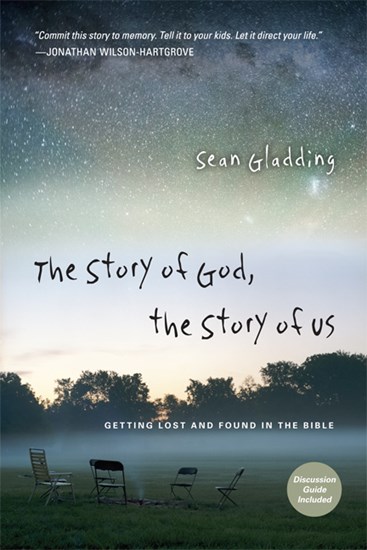
The Story of God, the Story of Us
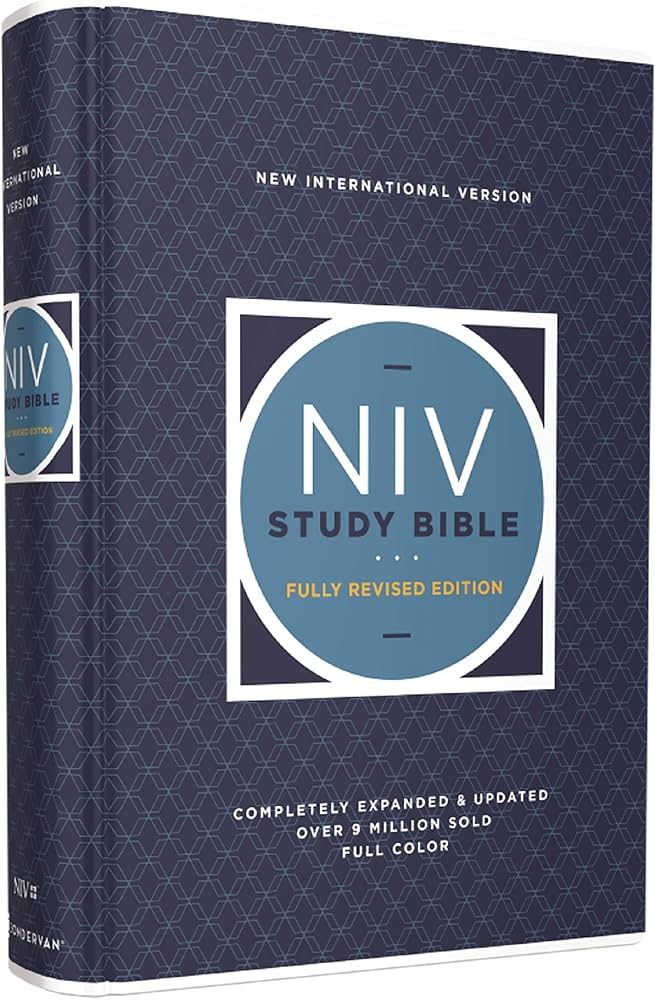
NIV Study Bible
ESV Study Bible
If you can only choose one, start with How to Read the Bible for All Its Worth. It will change how you read every other resource on this list.
But before choosing a resource, it helps to know what kind of beginner you are. Some people need a book-by-book path; others need character-based stories or short guided lessons. The sections below will help you decide.
How to Choose the Right Starting Point
The most common advice given to new Bible readers is to start with the Gospel of John. This is not bad advice — John is theologically rich, narratively compelling, and written with a clarity that rewards careful reading. But it is generic advice, and generic advice rarely accounts for the specific person receiving it. A reader who is drawn to narrative and biography will thrive in John; a reader who is drawn to ethical reasoning and argument may find Paul's letters more immediately engaging. A reader who wants to understand the Old Testament's relationship to the New will be better served by beginning with Genesis.
The second problem with generic starting points is that they often lead to the same bottleneck: the reader finishes one book and has no framework for deciding what to read next. Without a method — a principled approach to how the books of the Bible relate to each other and to the reader's own formation — Bible study tends to become a series of disconnected encounters with familiar passages rather than a deepening engagement with the whole.
The goal of a starting point is not merely to begin reading but to establish a method that will sustain reading for years. The best first book is the one that teaches you how to read the next one.
Book-by-Book Study
Book-by-Book study — sometimes called canonical study (reading books in the order they appear in Scripture) or sequential study — works through a single biblical book from beginning to end, paying attention to its structure, historical background, and central message as a unified whole. This approach is the foundation of most serious Bible study curricula, from seminary exegesis courses (courses that teach how to draw meaning out of a text) to Jen Wilkin's inductive[1] study guides for lay readers.
The primary strength of Book-by-Book study is that it respects the integrity of the biblical text. Each book of the Bible was written as a coherent literary unit — not as a collection of quotable verses — and reading it as such produces a qualitatively different understanding than reading isolated passages. When you read the entire Gospel of John, you understand that the healing of the blind man in chapter 9 is not merely a miracle story but a theological statement about the nature of sight and blindness that has been building since the prologue. That connection is invisible if you read only chapter 9.
- Best for: readers who want to understand what a book actually argues, not just what it contains.
- Recommended starting books: John (theological depth, accessible narrative), Philippians (short, dense, joyful), Ruth (narrative beauty, canonical richness), or Genesis (foundational for the entire Bible).
- Typical duration: 4–12 weeks per book, depending on depth of engagement.
- Primary challenge: requires sustained attention over multiple sessions; readers who prefer variety may find it difficult to stay with a single book.
Character Study
Character Study organizes Bible reading around a biblical figure — Abraham, Moses, David, Mary, Paul — tracing their story across multiple books and drawing theological and practical lessons from their lives. This approach is widely used in popular Bible study curricula because it is immediately accessible: most readers find it easier to engage with a person than with a theological argument, and the narrative arc of a biblical character's life provides natural structure and momentum.
The best character studies are not merely biographical; they use the character's story as a lens through which to examine larger theological themes. A study of Abraham is ultimately a study of faith and covenant[2]; a study of David is ultimately a study of kingship, failure, and redemption; a study of Paul is ultimately a study of grace and apostolic[3] mission. When character study is done well, it produces both personal resonance and theological depth.
- Best for: readers who are drawn to narrative and biography, or who find abstract theological argument difficult to engage.
- Recommended starting characters: Abraham (faith, covenant), Joseph (providence, forgiveness), Ruth (loyalty, redemption), or Peter (failure, restoration).
- Typical duration: 6–10 weeks, depending on the character and the depth of cross-referencing.
- Primary challenge: can become hagiographic[4] (treating the character as a flawless hero rather than a real person) if the theological framework is not explicit; readers may finish knowing the story without understanding its canonical significance — that is, how this character's story fits into the Bible's larger message.
Why Beginners Often Quit
The most significant barrier to sustained Bible study for beginners is not intellectual difficulty but psychological overwhelm. The combination of unfamiliar vocabulary, complex historical context, and the sheer volume of the text produces a kind of cognitive paralysis that is difficult to overcome with willpower alone. Most study guides designed for beginners address this problem by simplifying the content — reducing the theological complexity, minimizing historical context, and focusing on personal application. This approach reduces overwhelm but also reduces depth, producing readers who are comfortable with the Bible but not genuinely formed by it.
A more effective solution is to reduce friction without reducing depth — to provide the contextual scaffolding that makes complex material accessible without simplifying the material itself. This is the design philosophy behind BibleLum's Study Pack architecture: each pack provides visual narrative summaries, key theological themes, and historical background that give beginners the context they need to engage seriously with the text, without requiring them to first read a commentary or complete a seminary course.
How BibleLum Helps Beginners Keep Going
Traditional Bible study resources — even the best ones — require a significant upfront investment of time and cognitive energy before the reader begins to experience the rewards of deep engagement. BibleLum is designed to invert this curve: the first lesson of every Study Pack is accessible without an account, requires no prior knowledge, and delivers genuine theological depth in five minutes. The visual narrative format — combining illustrated scenes with contextual annotation — provides the historical and cultural scaffolding that makes complex passages immediately comprehensible.
The progress tracking system is deliberately low-pressure. There are no daily streaks to maintain, no notifications demanding engagement, and no social comparison features that make slower readers feel inadequate. The system simply remembers where you are and makes it easy to return. For beginners who have tried and abandoned Bible study before, this design philosophy addresses the specific failure mode that ended their previous attempts: the accumulation of missed days that makes resuming feel impossible.
For beginners who want to start immediately, Day 1 of the Genesis Study Pack is available without an account at biblelum.com. It provides a complete introduction to the book's theological contribution — creation, the image of God, covenant, and the problem of sin — in a format that requires no prior knowledge and takes less than ten minutes to complete.